Why Hire Beacon top Paving Contractor for Your Driveway
Why Hire Beacon top Paving Contractor for Your Driveway
Blog Article
Paving Solutions: Upgrade Your Property With Skilled Paving Services
Professional paving services offer significant advantages for property enhancement. They not only enhance aesthetics but also boost functionality. Choosing the right materials, such as asphalt or interlocking pavers, can guarantee durability and style. The installation process is critical for achieving lasting results. Yet, many homeowners overlook essential maintenance practices that can extend the life of their investment. Understanding these elements is essential for making informed decisions about outdoor spaces. What comes next may surprise you.
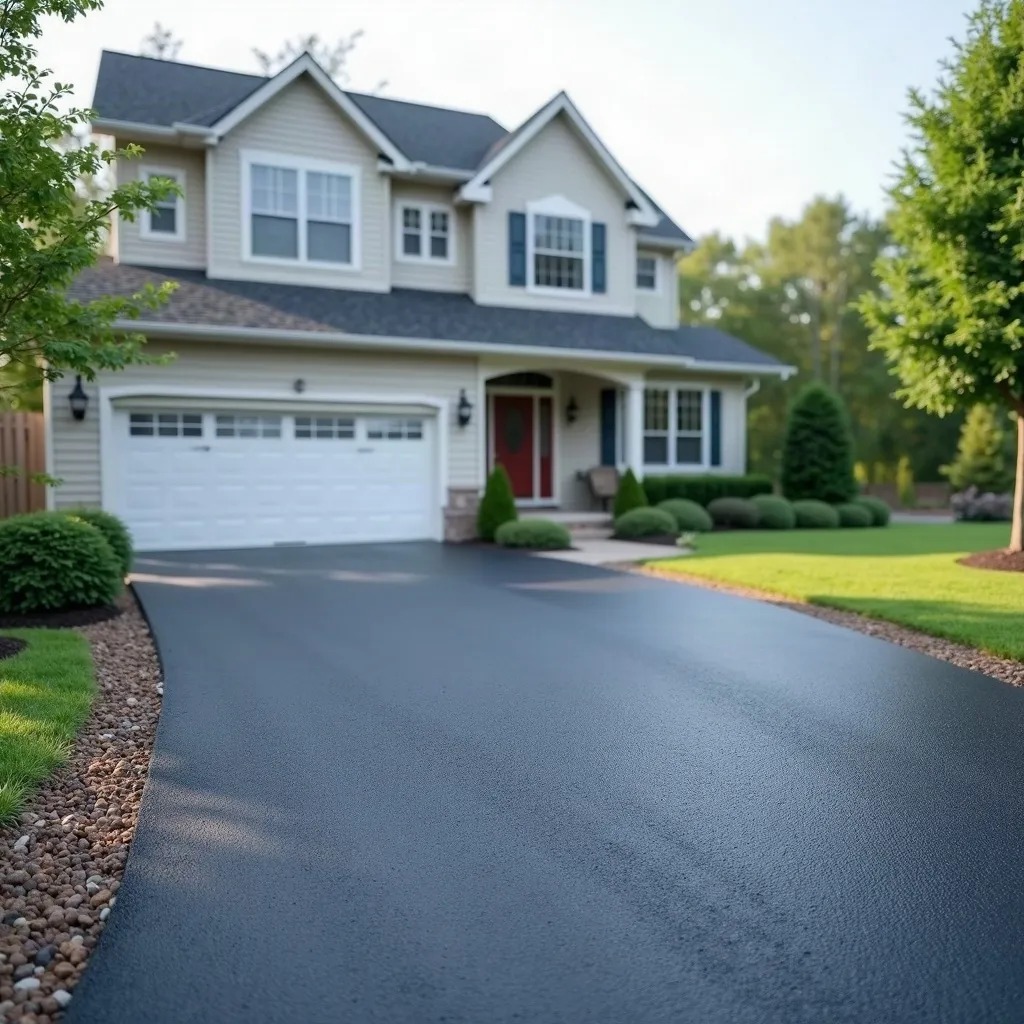
Professional Paving Services Boost Your Property Value
Professional pavement services upgrade outdoor spaces, improving both functionality and visual appeal. By leveraging expert methods and modern equipment, these solutions assure the careful groundwork and installation of various pavement types. This careful attention results in durable, lasting outcomes that resist wear and tear while maintaining visual appeal.
Furthermore, professional paving enhances property value, establishing appealing walkways, vehicle access areas, and outdoor spaces that attract potential purchasers. A properly paved surface boosts safety by reducing dangers like rough terrain and thick dirt, contributing to a more pleasant outdoor setting.
Additionally, seasoned experts can provide bespoke solutions tailored to personal tastes, guaranteeing that each project aligns with the property's distinctive style.
Pick the Premium Laying Materials for Your Work
What approach should homeowners take when choosing the best paving materials for their work? The right material choice is important for aesthetic linked article appeal and how well it works.
First, building owners should reflect on the particular application of the paved area. For driveways, durable materials like asphalt or concrete are often recommended due to their strength and longevity. In contrast, for patios or walkways, possibilities including pavers or bricks can offer visual appeal and versatility.
Next, environmental conditions serves as a major role. Regions with intense precipitation may profit from breathable surfaces that permit for better drainage, minimizing the risk of flooding.
Furthermore, upkeep needs should be evaluated; some materials require more maintenance than others.
Finally, financial limitations will influence the decision. While premium materials may require a greater upfront cost, they often result in long-term savings through durability and lower maintenance expenses.
Thus, careful study of these aspects will lead property owners toward making prudent decisions.
Asphalt Paving Rewards
Asphalt surfacing emerges as a top choice for homeowners looking for durable and affordable alternatives for their pathways and driveways. One of its primary benefits is its resilience; asphalt can withstand heavy traffic and harsh weather conditions, making it perfect for residential use.
Furthermore, asphalt is budget-friendly against other paving materials, assisting homeowners to secure a outstanding appearance without emptying their pockets. The installation process is also rapid, frequently completed within a day, reducing disruption to daily life.
Additionally, asphalt is easy to care for, needing just periodic sealing to prolong its service life. These strengths make asphalt paving a practical and intelligent investment for enhancing property visual appeal and utility.
Interlocking Paver Perks
For homeowners considering paving options, interlocking pavers offer distinct advantages that improve both aesthetics and functionality.
These versatile pavers come in multiple shapes, colors, and textures, permitting creative design possibilities that can match any property style. Additionally, interlocking pavers ensure excellent durability, preventing cracking and shifting, which is particularly helpful in regions with fluctuating temperatures.
In addition, their unique design encourages rapid water movement, reducing the potential for flooding and erosion. This water-absorbing quality also advances environmental sustainability by letting rainwater to replenish groundwater supplies.
Finally, the simplicity of setup and care makes interlocking pavers a sensible option, guaranteeing that property owners can appreciate their attractive pavement without demanding maintenance.
Starting Site Survey
Which elements influence the initial site evaluation for paving installation? Several key factors are involved during this essential stage. First, the land’s topography is examined to detect any slopes or drainage issues that might influence the paving process. Next, the current soil conditions are assessed, since different soil types determine stability and durability. Additionally, site accessibility is considered to determine how equipment and materials will be transported. Local regulations and zoning laws are examined to confirm compliance. Lastly, existing structures and vegetation are assessed to prepare for any necessary removal or protection. This detailed evaluation sets the foundation for a successful paving project, guaranteeing that all possible challenges are handled from the beginning.
Installation Stages Described
With a comprehensive site assessment finished, the paving installation phase can commence.
The early phase comprises ground readiness, where any existing materials are stripped away and the ground is leveled. Then, a ground layer is fitted, typically made of loose rock or fragmented stone, which creates stability and drainage.
Then, the designated surface material—such as asphalt or concrete—is set in place. This phase calls for careful application to guarantee a uniform surface and proper alignment.
Once the paving is in place, it is compacted to enhance durability. Finally, curing takes place, permitting the material to set properly.
Throughout the process, effective dialogue with the property owner is necessary to address any issues and assure satisfaction with the final end result.
Paving Maintenance Advice for Durability
Despite asphalt areas being designed for durability, regular maintenance is essential to guarantee their longevity. Routine inspections must be performed to detect cracks, potholes, or signs of wear. Prompt repairs can avoid further damage and prolong the lifespan of the road surface.
Moreover, keeping the surface free of debris is important; debris, greenery, and dust can trap moisture, leading to deterioration. Regular cleaning and occasional power washing support copyright a immaculate appearance and usability.
Applying sealant every few years can protect the surface from weather deterioration and ultraviolet harm, while also improving its visual appearance.
In conclusion, dealing with drainage issues is crucial. Well-designed drainage systems stop water accumulation, which can damage the paving material over time.
How to Discover a Reliable Paving Contractor
Finding a reliable paving contractor is an crucial step for property owners looking to install or upgrade their paving surfaces. To begin, individuals should obtain recommendations from friends, relatives, or nearby companies that have lately undertaken paving projects. Online ratings and testimonials can also provide insights into a contractor's reputation.
Once potential service providers are identified, it is essential to verify their credentials, such as licenses and insurance. A professional builder should provide a comprehensive written estimate that describes the project parameters, materials, and timeline.
Moreover, asking for references from clients can help determining the contractor's reliability and caliber of work. It's equally recommended to inquire about warranties on workmanship and materials.
Ultimately, enabling candid communication and clarity during initial consultations can nurture a reliable relationship, bringing about a successful paving project that achieves expectations.
Frequently Asked Questions
What Duration Should You Expect for a Typical Paving Project to Complete?
A typical asphalt project generally takes one to three days to finish, depending on variables including the project's size, complexity, weather conditions, and prep work needed. Effective planning can help expedite the process effectively.
Which Clearances Are Required for Paving Construction?
Generally, paving installation needs permits including local construction permits, zoning permits, and environmental assessments. Requirements vary depending on location, so speaking with local authorities assures conformity with mandatory legal obligations for the work.
Is Paving Feasible During Winter or Rainy Seasons?
Paving can be troublesome during winter or rainy seasons due to temperature and moisture concerns. Cold weather can obstruct proper curing, while excessive rain may cause surface issues, leading to potential enduring harm. Strategic forethought is essential.
What Can I Respond if My Surface Starts Cracking?
Should pavement fracture, the first step is to evaluate the harm. Afterward, clear the area thoroughly, seal the fissures with suitable filler, and consider expert services to avoid further deterioration and preserve protection.
What ways can I use to determine whether my pavement specialist is officially certified?
To confirm whether a paving contractor is duly licensed, you should validate credentials via local licensing boards, request a copy of their license, and confirm insurance protection, guaranteeing adherence to industry regulations and safety standards.
Report this page